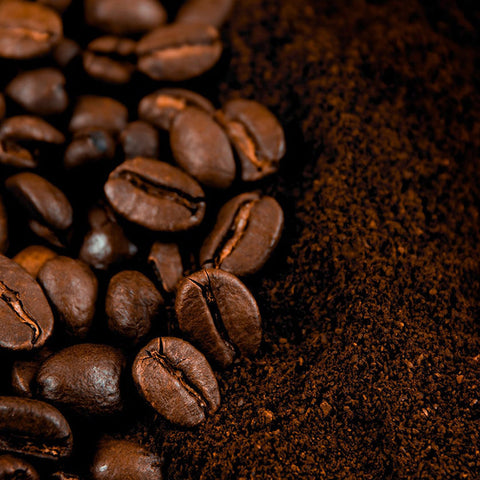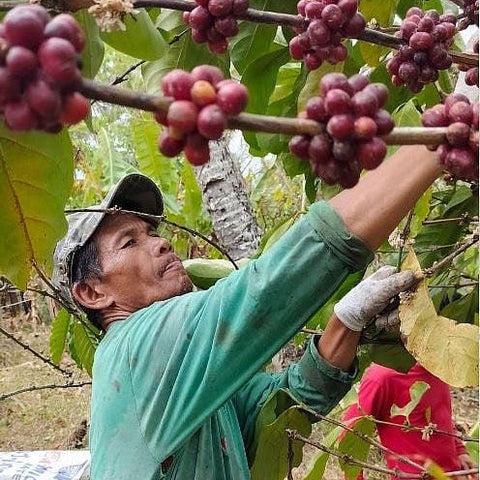


Filipino ground coffee has come a long way from being simply the coffee you drink at home with breakfast. Today, coffee lovers are paying closer attention to where their beans come from, how they are roasted, how finely they are ground, and how those choices affect the final cup.
The Philippines has a long coffee-growing tradition, with coffee cultivated in different regions across the country. From chocolatey and nutty notes to brighter, fruitier profiles, Filipino coffee offers plenty of variety.
Whether you're a longtime kapeng barako drinker, a casual coffee drinker, or someone building a home coffee setup, this guide will help you choose, prepare, and enjoy coffee that suits your taste.
What Makes Filipino Ground Coffee Unique?
Filipino coffee reflects the country's diverse growing regions, climates, elevations, coffee varieties, and processing methods. The result is a surprisingly broad range of flavors.

Where Is Filipino Coffee Grown?
Coffee is grown in several areas of the Philippines, including Batangas, Benguet, Cavite, Bukidnon, Sultan Kudarat, and other parts of Mindanao and the Cordillera.
Different growing environments can influence how coffee tastes. Higher-elevation coffee farms may produce beans with more noticeable acidity and complexity, while other origins can produce fuller-bodied cups with chocolate, caramel, nutty, or earthy characteristics.
One of the best things about exploring Philippine coffee is discovering how different regions can taste from one another.
What Does Filipino Coffee Taste Like?
There is no single flavor profile for Filipino coffee. Depending on the bean variety, origin, roast, and processing method, your cup may feature notes such as:
- Chocolate
- Caramel
- Brown sugar
- Nuts
- Dried fruit
- Citrus
- Berries
- Spices
- Earthy or woody notes
Kapeng barako, traditionally associated with Batangas, is particularly famous for its bold aroma and strong character. Other Philippine-grown coffees can be considerably lighter and more delicate.
Quick tip: Look beyond the word "Filipino" on the label. The coffee's origin, variety, and roast profile can tell you much more about what you might taste.
How to Choose the Best Filipino Ground Coffee
The best Filipino ground coffee isn't necessarily the most expensive bag on the shelf. It's the one that matches your preferred flavor, brewing method, and coffee routine.
Choose the Right Roast Level
Roast level has a major impact on flavor. Here's a simple guide to help you choose:
| Roast Level | Typical Flavor Profile | Best For |
|---|---|---|
| Light Roast | Brighter, fruitier, sometimes floral or citrusy | Those who enjoy delicate flavors and noticeable acidity |
| Medium Roast | Balanced sweetness, acidity, and body | Everyday brewing and exploring different flavor notes |
| Dark Roast | Fuller-bodied, roasted, smoky, or bittersweet | Drinkers who prefer a bold and intense cup |
For many everyday coffee drinkers, a medium or medium-dark roast can be a comfortable starting point. If you prefer a bolder, more pronounced flavor, try a darker roast and adjust your brewing recipe to suit your taste.
Love bold Filipino coffee? Explore Espreszo Heritage Barako Coffee for an earthy, bold, and deeply aromatic coffee experience.
Match the Grind to Your Brewing Method
Freshly ground coffee is ideal, but pre-ground coffee is a convenient option for everyday brewing. The key is making sure the grind size matches your brewer.
| Brewing Method | Recommended Grind |
|---|---|
| French Press | Coarse |
| Pour Over | Medium to medium-fine |
| Drip Coffee Maker | Medium |
| AeroPress | Medium-fine, depending on recipe |
| Espresso Machine | Fine |
| Moka Pot | Fine to medium-fine |
| Traditional Sock or Cloth Filter | Medium to medium-coarse |
Using the wrong grind can make even excellent coffee taste disappointing. A grind that is too fine may lead to over-extraction and bitterness, while a grind that is too coarse can result in a weak or under-extracted cup.
If you're unsure which grind to choose, start with the recommendation for your brewing method and adjust gradually until the coffee tastes right to you.
How to Brew Filipino Ground Coffee at Home
You don't need an expensive espresso machine to enjoy good Filipino coffee. The fundamentals matter more: fresh coffee, good water, the correct grind, and a consistent brewing process.
Start With Fresh Coffee and Good Water
Coffee is mostly water, so water quality matters. Use clean, fresh-tasting water rather than heavily chlorinated or strongly flavored tap water. If your coffee tastes dull despite using good grounds, your water may be part of the problem.
Store ground coffee in an airtight container in a cool, dry place away from heat, moisture, light, and strong odors.
Freshness tip: Keep your coffee away from the stove. Heat, moisture, and frequent exposure to air can cause its aroma and flavor to fade faster.
Try Different Filipino Coffee Brewing Methods
You can prepare Filipino ground coffee using everything from a simple drip brewer to a French press or pour-over setup. Each method brings out different qualities in your coffee.
- French press: A fuller-bodied cup with more coffee oils and texture.
- Pour over: A cleaner cup that can highlight delicate flavor notes.
- Drip coffee maker: A convenient option for consistent everyday brewing.
- Moka pot: A concentrated, rich brew that works well for those who enjoy an intense coffee experience.
- Traditional cloth filter: A familiar way to prepare coffee using a traditional Filipino-style brewing setup.
For a straightforward everyday cup, start with roughly 1–2 tablespoons of ground coffee per 180–240 ml of water, then adjust according to your preferred strength. For more consistent results, weigh your coffee and water when possible.
If your coffee tastes too strong or bitter, try using slightly less coffee or adjusting your grind and brewing time. If it tastes weak or watery, increase the coffee slightly or make a small grind adjustment.
The goal isn't to follow one perfect recipe. It's to find the combination that tastes best to you.
Filipino Ground Coffee vs. Imported Coffee
Imported coffee isn't automatically better, and Filipino coffee isn't automatically better either. A more useful comparison looks at quality, freshness, roast, origin, processing, and how the coffee is prepared.

Why Buy Philippine-Grown Coffee?
Choosing locally grown coffee can help support Philippine coffee farmers, producers, and the broader local coffee industry. It also gives coffee drinkers the opportunity to explore flavors connected to the country's own growing regions.
If supporting local agriculture is important to you, look for coffee that clearly identifies its Philippine origin. Check the product details rather than assuming that every coffee sold by a Filipino brand is locally grown.
How to Read a Filipino Coffee Label
A good coffee label should provide useful information about the coffee, rather than simply describing it as "premium."
When available, look for:
- Country or region of origin
- Coffee variety
- Roast level
- Processing method
- Roast or packing date
- Recommended brewing method
- Whole bean or ground options
- Net weight
Freshness matters, especially for ground coffee. Buy an amount you can realistically consume while the coffee still retains the aroma and flavor you enjoy.
Frequently Asked Questions
What is Filipino ground coffee?
Filipino ground coffee generally refers to roasted and ground coffee intended for brewing. Coffee grown in the Philippines can come from different regions and varieties, so its flavor can vary significantly. Check the product's origin information to confirm whether the beans were grown locally.
What is the most famous Filipino coffee?
Kapeng barako is one of the most famous traditional Philippine coffees. It is strongly associated with Batangas and is known for its bold aroma and distinctive character. The term is traditionally associated with Liberica coffee.
Is Filipino coffee strong?
It can be. However, "strong" can describe flavor intensity, body, or how concentrated a drink tastes. Roast level, the amount of coffee used, grind size, and brewing method all influence the final cup.
What is the best grind size for Filipino ground coffee?
It depends on your brewing method. Use coarse grounds for a French press, medium grounds for most drip coffee makers, and fine grounds for espresso. Moka pots generally work well with a fine to medium-fine grind.
How should I store Filipino ground coffee?
Keep ground coffee in an airtight container in a cool, dry place away from direct sunlight, heat, moisture, and strong odors. Avoid leaving the container open for long periods because exposure to air gradually reduces freshness.
Is Filipino coffee good for espresso?
Yes. Filipino coffee can work well for espresso when the roast and grind suit your machine and taste preferences. Medium-dark and dark roasts are popular with people who enjoy bold espresso, while lighter roasts can offer brighter and more complex flavors.
What does Philippine coffee taste like?
There isn't one universal flavor profile. Depending on origin, variety, processing, and roast, Philippine coffee may taste chocolatey, nutty, caramel-like, fruity, citrusy, floral, spicy, or earthy.
Why should I buy Filipino-grown coffee?
Buying Filipino-grown coffee gives you the opportunity to explore locally produced coffee while supporting the Philippine coffee supply chain. It is also a great way to discover the different flavors and traditions associated with coffee-growing regions throughout the country.

Trusted by Home Brewers: From Bean to Brew
Coffee is more than caffeine. It's your pause, your focus, and your daily ritual.
At Espreszo, we carefully select and freshly pack coffee for enjoyable, consistent brewing at home. Explore smooth Arabica, bold Barako, and coffee options suited to different tastes and brewing methods.
Whether you're preparing your first cup of the day or perfecting your home coffee routine, there's a brew waiting for you.
FIND YOUR NEXT BREW